


The Ultimate 2026 Guide to Zero-Downtime VPS Migration: Scaling Without the Stress
By the OctaCore Networks Strategy Team
In the digital economy of 2026, the concept of “business hours” has effectively vanished. Your website is your storefront, your salesperson, and your customer service representative, all rolled into one, operating 24/7/365. But as your business grows, so do your technical requirements. What worked for you a year ago—perhaps a modest shared hosting plan or an entry-level cloud instance—might now be the very thing holding your revenue back.
The transition to a Virtual Private Server (VPS) is a rite of passage for any serious online venture. It represents the move from “renting a room” to “owning the building.” However, the fear of migration—specifically the dreaded 404 error and the loss of hard-earned SEO rankings—often keeps business owners paralyzed in underperforming environments. This 7,000-character deep dive is designed to eliminate that fear. We will explore every nuance of seamless migration, ensuring that your transition to a high-performance environment like OctaCore Networks is not just successful, but completely invisible to your users.

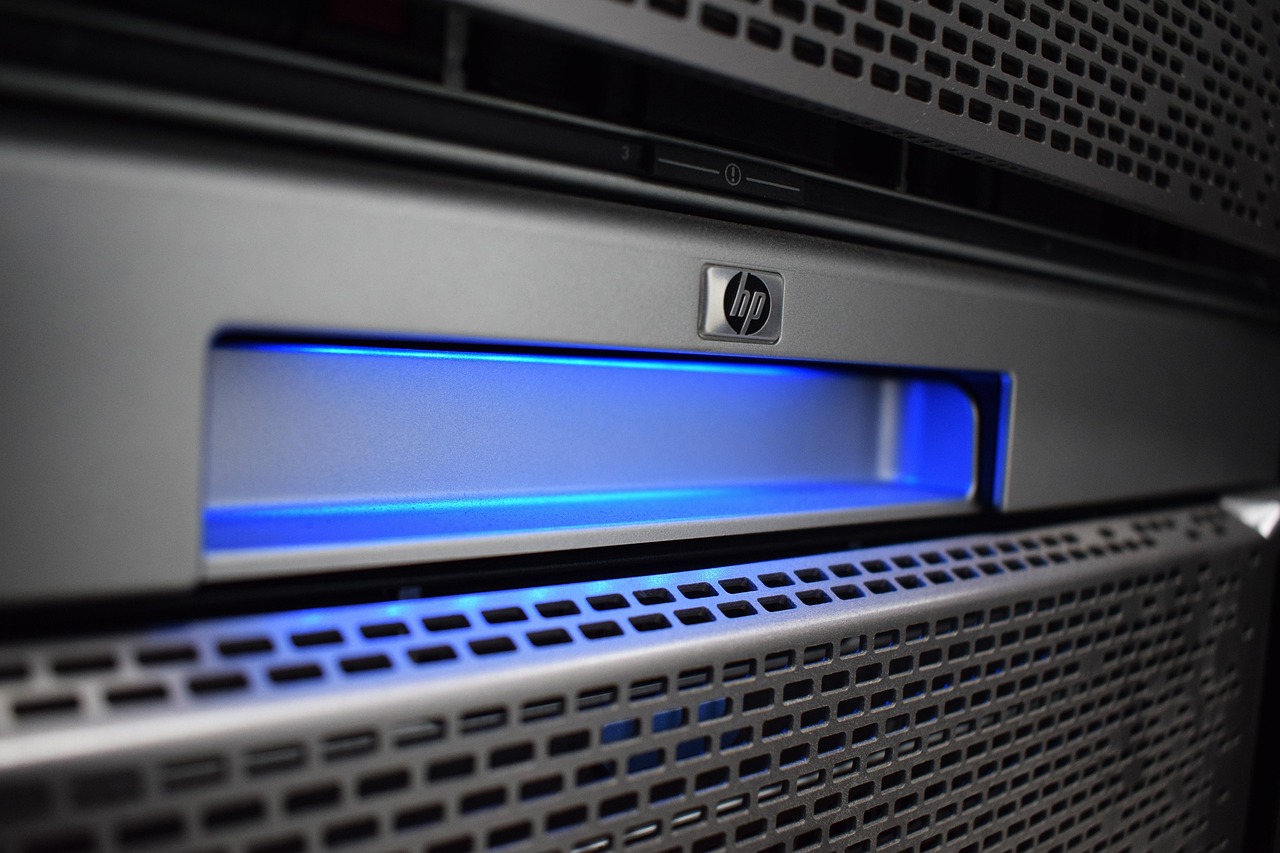
Alt-text: Visualizing the bridge to high-performance VPS hosting.
Chapter 1: Why VPS Migration is Non-Negotiable in 2026
We are living in the age of Instant Gratification 2.0. In 2026, web assembly, AI-driven personalization, and heavy media assets have made websites heavier than ever. A delay of even 200 milliseconds in server response time can lead to a 15% drop in conversion rates. If you are still on shared hosting, you are at the mercy of your neighbors’ traffic spikes. When their site gets a hit, your site pays the price.
The Shift to Dedicated Resources
A VPS utilizes hypervisor technology to carve out a dedicated portion of a physical server’s CPU, RAM, and NVMe storage specifically for you. Unlike shared hosting, where resources are “bursty” and unpredictable, a VPS offers a steady baseline of performance. In 2026, this is critical for running modern CMS platforms, complex databases, and real-time analytics tools. Migration is the only way to claim this territory.
Security and Compliance in the Modern Era
Cybersecurity threats have evolved. Shared environments are inherently more vulnerable to “neighbor-based” attacks. If a site on your same server is compromised, the risk of cross-site contamination is significantly higher. By migrating to a VPS, you gain an isolated environment. You can implement your own firewall rules, manage your own security patches, and ensure compliance with increasingly strict global data protection regulations.
Chapter 2: The Anatomy of “Zero Downtime”
What exactly does “Zero Downtime” mean? Technically, it means that at no point during the migration is there a gap where neither the old nor the new server is responding to user requests. This is achieved through a strategy called Parallel Running.
Imagine you are moving houses, but you have the luxury of living in both the old one and the new one simultaneously. You move your furniture piece by piece, ensuring the new house is fully functional before you hand back the keys to the old one. In the digital world, this involves keeping your old server live while your new VPS is being populated and tested.
The SEO Impact of Stability
Google’s 2026 algorithms are more sensitive to “site health” than ever. If Googlebot crawls your site during a migration and finds a 500-level error, it notes a lack of reliability. If this happens repeatedly during the DNS propagation phase, your rankings can slip. A zero-downtime approach ensures that no matter when the crawler hits, a version of your site is ready to serve it.
Chapter 3: Preparing for the Move – The Pre-Flight Checklist
A failed migration is almost always a failure of preparation. Before you move a single kilobyte, you must audit your current ecosystem.
1. The Application Audit
What version of PHP, Python, or Node.js are you running? Are there specific server-side modules (like Imagick or IonCube) that your site depends on? In 2026, compatibility is king. Make a list of your environment requirements so you can mirror them (or upgrade them) on your new OctaCore VPS.
2. Database Sanitization
Don’t move trash. Before migrating, clean up your databases. Delete old log files, expired transients, and redundant backups. A smaller database moves faster and reduces the risk of corruption during the export-import process.
3. The DNS Strategy
Lower your TTL (Time to Live) on your DNS records at least 24 hours before the move. By setting your TTL to 300 seconds (5 minutes), you ensure that when you finally flip the switch, the world sees your new server almost instantly, rather than waiting 48 hours for global propagation.
Chapter 4: The Tools of the Trade in 2026
Modern technology has provided us with an arsenal of tools to make migration a surgical, precise process.
| Tool Category | Recommended Software | Why Use It? |
|---|---|---|
| File Transfer | Rsync / SFTP | Rsync is the gold standard. It only copies the files that have changed, making final syncs incredibly fast. |
| Database Migration | MySQLDump / phpMyAdmin | Ensures data integrity. In 2026, cloud-native DB export tools are faster and handle large datasets better. |
| WordPress Specific | All-in-One WP / Duplicator | Perfect for beginners. They package the entire site into a single encrypted file. |
| Monitoring | UptimeRobot / New Relic | Use these to track performance on both servers during the transition. |
Chapter 5: The Step-by-Step Execution
Ready to move? Follow this workflow to ensure a perfect transition to your new environment.
Phase 1: Environment Setup
Provision your new VPS at OctaCore Networks. Choose your OS (Ubuntu 24.04 or Debian 13 are the 2026 favorites). Install your web server—Nginx is highly recommended for its speed and low memory footprint compared to Apache.
Phase 2: The “Grand Upload”
Transfer your files. If you have a large site, this might take time. This is where Rsync shines. You can start the transfer while your site is still live. Once the bulk is moved, you can run a “final sync” just minutes before the DNS switch to catch any new comments, orders, or updates.
Phase 3: The Database Handshake
Export your SQL database and import it into the new environment. Update your site’s configuration file (like wp-config.php) to point to the new local database on the VPS. Crucial: Test the connection locally using a hostfile modification on your computer. This allows you to browse the site on the new server while the rest of the world still sees the old one.
Chapter 6: Post-Migration Optimization
Congratulations, you’ve moved! But the job isn’t done. Now you need to tune your new engine.
Implement a Global CDN
Even with the fastest VPS, physics still matters. Using a Content Delivery Network (CDN) will cache your static assets (images, CSS) on edge servers around the world. This reduces the load on your OctaCore VPS and makes your site lightning-fast for international users.
Enable Object Caching
In 2026, Redis and Memcached are standard. They store database queries in the RAM, meaning your server doesn’t have to work as hard to serve the same content repeatedly. This can reduce page load times by up to 50%.
Conclusion: The Path to Scalability
VPS migration is more than just a technical task; it is an investment in your brand’s future. By choosing a zero-downtime strategy, you show your customers that you value their time and their experience. You move from being a “hobbyist” on a shared server to a “pro” with dedicated infrastructure.
Ready to make the move? Don’t do it alone.
At OctaCore Networks, we specialize in high-performance hosting designed for 2026 and beyond. We know that migration can be intimidating, which is why we offer Full White-Glove Migration Services with every VPS plan. Our engineers will move your site, your databases, and your emails for you—ensuring zero downtime and zero stress.
View VPS Plans & Claim Your Free Migration
Still have questions about your specific technical stack? Our support team is online 24/7. Contact us today and let’s get your site moving to the fast lane.